


Employees on working — and thriving — at the UO
Workplace gives employees the information necessary to succeed on the job. But what does it mean to work at the UO? In this series, faculty and staff share advice, experiences and opinions on working at the University of Oregon.
Profiles by Matt Cooper, University Communications
June 2026 Edition
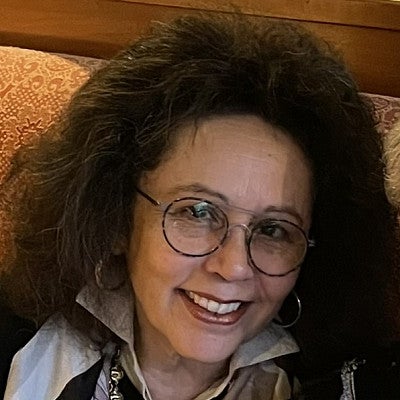
Miriam Alexis Castellón Jordan
Robert D. Clark Honors College

Chanel Meyers
Department of Psychology
Miriam Alexis Castellón Jordan, undergraduate student support manager
22 years of service
FROM THESES TO THINKERS: Over 15 years, Jordan has guided thousands of honors college students through the thesis project requirements for graduation, including helping students assemble their committees, schedule thesis project defenses and ensure formatting meets UO specifications for archiving to the UO Libraries Scholars’ Bank. Some need support with administrative or technical issues; others, just reassurance that the lofty academic expectations of the college are within their grasp.
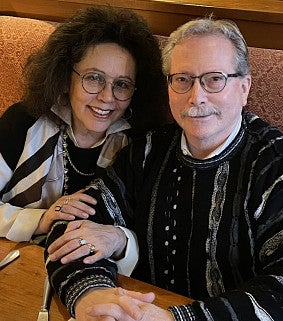
“What makes me feel good is to be responsive to our students,” Jordan said. “I alleviate their anxieties through the thesis project process, I provide encouragement, I connect them to the appropriate personnel to help them through the steps they need to take. I feel fulfilled when students come back to me and say, ‘I am so glad that I went through [the honors college], I feel like I’ve accomplished something.’ And I say, ‘YES! You have!’ They can go forward in the world with confidence. I’m so impressed with the level of knowledge and discernment that our students have learned. It gives me hope for better societies.”
FLOURISHING THROUGH COMMUNITY: “I’ve been a community builder my whole life. Students need reassurance about who they are, that they’re seen, they’re appreciated — that’s why we’re here, for them. I make it a point of building community that way, but it also extends outside of the work at the university. I’ve been on community boards and committees throughout my time here in Oregon. Building community creates the environment for people to do their best work and to live their best lives.”
ADVICE TO NEW EMPLOYEES: “Observe and be patient. Focus on absorbing information like a sponge, follow instructions and follow through. Once you have developed your proficiency, you can explore better ways of doing things and present solutions more thoughtfully. Consider the strengths of each individual that you’re working with. The more you engage with their positive attributes, the better you know how to approach problem-solving and resolving situations.”
Chanel Meyers, assistant professor of psychology
3 years of service
CODE OF INCLUSION: Meyers, who studies diversity in society, helped present last fall’s Consortium of Oregon Diversity and Equity Scholars (CODES) Conference at the University of Oregon. The event brought together scholars from the UO, Oregon State University, Portland State University, Reed College and more to foster interdisciplinary dialogue, discuss strategies to reduce group-based discrimination and promote the inclusion of marginalized groups.
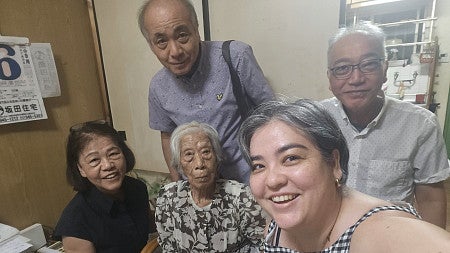
“Particularly at this moment in time, when many institutions and organizations are trying to dampen their amplification of diversity, equity and inclusion, we thought it was really important to give a moment in the spotlight to scholars who are doing this work,” Meyers said. “And building that community really reinforced the importance of the work that I’m doing, and that I have a support system.”
FLOURISHING THROUGH COMMUNITY AND PURPOSE: “Having other scholars, other students, who care about what you care about — that community-building is just essential for thriving. And at this moment in time, being clear about your goals, your motivations, your values, is so important. I’ve really doubled down on my research. It’s easy to be swayed right now, silenced in some way, so I’m just reminding myself I’m here for a reason: ‘I have these qualifications, this expertise, I have these values and that is why I got this job and it’s why I’m succeeding at what I’m doing.’”
ADVICE TO NEW EMPLOYEES: “Find your people. Community is so important. We all have a need to feel seen and heard and understood, and that can’t happen by yourself. In times when there is a lot of anxiety, reaching out to others — even if they are just as anxious as you — can be a way to manage that anxiety.”
May 2026 Edition
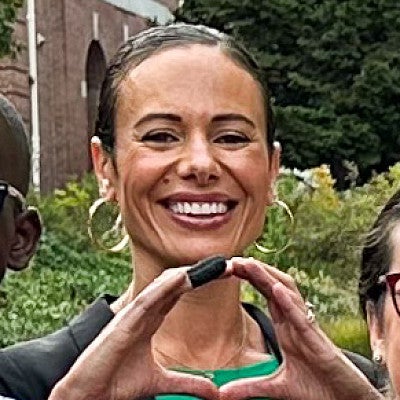
Rhonda Nese
College of Education
Holly Tate
University Career Center
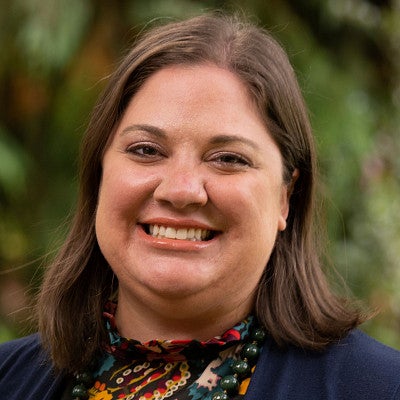
Rhonda Nese, associate professor, special education, prevention science
12 years of service
TEACHING SKILLS IN SCHOOLS: Nese created the Inclusive Skill-building Learning Approach or ISLA, an instructional alternative to exclusionary discipline that is funded by the National Institutes of Health and used in over 20 school districts nationwide. The practice is rooted in prevention science and social learning theory — the idea that humans aren’t born knowing how to behave and that adults must teach and reinforce prosocial behaviors with children just as they do academic skills. Prevention relies on not waiting for problems arise, according to Nese, but instead creating positive classroom environments and teaching class routines and behavioral expectations to help children develop the skills to be great learners and citizens.
The program’s success “means the world to me,” Nese said. “As an educator, and, frankly, as a mother, all that matters to me is that as a society, we’re trying to support children in healthy growth and development. And one of the greatest places for children to grow and develop is school. No matter where they come from, no matter their prerequisite knowledge, that’s the power of remarkable public education — it sets every child up for success. And the data speaks for itself: in the schools that are implementing ISLA, kids are doing better. Period.”
FLOURISHING THROUGH GROWTH: “I’ve had many moments in both my personal and professional lives where things have not gone according to plan. Situations in which I’ve stumbled, needed to regroup, take a step back and learn. With ISLA, for example, we got it wrong so many times, but we improved over time through feedback and guidance from our community partners. I don’t think success can happen without acceptance of those moments for growth and learning, it’s important we lean into them.”
ADVICE TO NEW EMPLOYEES: “Find your people. Find the people at work that you resonate with and find the people outside of work that you resonate with. Your community is there to help you learn and grow. Your community is there to give purpose to your work. Your community is there to help with your well-being — those friends that you can meet for a walk, the people who are your sounding boards. Community is everything.”
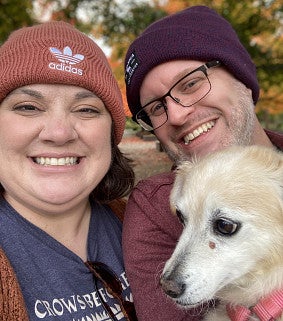
Holly Tate, job and internship developer/engagement manager
5.5 years of service
ME AND MY SHADOW: Tate and colleagues from the CAS Career Lab launched a job shadow program in November in which 20 students followed alumni and others who work at nonprofit organizations in Eugene-Springfield. Students said the experience raised their awareness of social issues and helped them chart career paths. The program expanded in May to include more industries like banking, sustainability and government, with another 40 students engaging in experiential learning.
FLOURISHING THROUGH WELL-BEING: “There has to be balance between my personal work style, the goals of my team and my department, and taking care of myself. I love having these flexible work arrangements, I love being able to take my dog on a walk in the middle of the day. My output has been so much better because I’ve had the opportunity to work for teams that value my well-being and let me take the time I need to be a whole person.”
ADVICE TO NEW EMPLOYEES: “Be interested and be interesting. When you meet new people, whether it be your coworkers, or your students, or people from across the university, ask good questions. ‘How did you get here? What do you do for fun outside of work?’ I like asking faculty members, ‘What do you research?’ Being interested in other people gives you touchpoints that make it easier to find people with whom to collaborate.
“And be interesting yourself. There are things about you that are probably universal for others, and you want people to know that about you. It helps you not have surface relationships — when you have deeper relationships, especially at a mission-driven organization, to be able to understand what’s motivating people to do the work helps you understand why you do the work. That openness brings collaboration and can make you feel you’re a part of something bigger.”
April 2026 Edition

Betsy Boyd
Government and Community Relations

Jason Younker
Office of the President
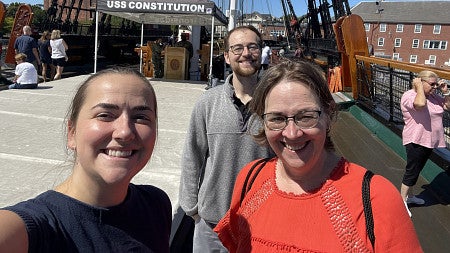
Betsy Boyd, senior associate vice president for federal affairs
25 years of service
SOLVING PROBLEMS, LIFTING UO: Boyd helped fund expansion of the UO Museum of Natural and Cultural History through a 2006 federal transportation bill, working with a team that included then-Congressman Peter DeFazio and the museum directors at that time, Mel Aikens and Jon Erlandson. She has been pivotal in advocating for innovative public safety projects such as ShakeAlert, an earthquake early-warning system that exemplifies collaboration across universities.
Early in the pandemic, Boyd and a counterpart at Oregon State University alerted the Oregon congressional delegation to economic threats to universities and students. That led to US Senator Jeff Merkley organizing the first expression of support, a letter signed to appropriators for including institutions of higher education in relief packages. The next relief package, Coronavirus Aid, Relief and Economic Security Act (CARES Act), included a higher education relief fund that reduced financial impacts of COVID-19 for institutions of higher education.
Working with the Association of Public and Land-grant Universities, she also helped ensure relief for quarter-system student aid recipients, like UO students, who suspended enrollment during the pandemic. This saved them thousands of dollars each.
“It’s always fulfilling to advance a project that’s positive for the university, like the expansion for the Museum of National and Cultural History or ShakeAlert,” Boyd said. “But it’s especially satisfying when you can solve a problem that might disrupt a person’s life.”
FLOURISHING THROUGH PURPOSE AND RESILIENCE: “At the heart of an advocacy or government relations role is the ability to understand opportunities that align with the government and advance priorities that support our teaching, research and service mission. There is a very purpose-driven environment in Congress, in terms of opportunities to make your case. It also takes resilience — institutional resilience and individual resilience. It may take a few years to pass a bill, but you have to maintain a sense of purpose, even in the face of adversity.”
ADVICE TO NEW EMPLOYEES: “Working at a university is an amazing opportunity to take advantage of all the things that come with certified smart people or faculty wizards, people putting on recitals, hosting art shows, doing a sporting event and being excited about their work. Go do something fun, or something that gets you out of your comfort zone. The more experiences you have with the university, the better you understand it, and that should feed being a whole person at work.”

Jason Younker (PhD, anthropology, ’03), associate vice president and adviser to the president on sovereignty and government-to-government relations
12 years of service
MANY NATIONS, ONE UNIVERSITY: Working with Native communities and others, Younker said, the UO is demonstrating its support for Native students with measures including the Many Nations Longhouse, the installation of the flags of Oregon’s nine federally recognized tribes at the heart of the Eugene campus and the removal of cost barriers with the Home Flight Scholars Program, which serves more than 170 undergraduates. “I’ve been part of all of them,” he said, “but anything of substance is usually accomplished with the help of many.”
FLOURISHING THROUGH PURPOSE: “Very few institutions have a position like mine. The tribal communities who have entrusted their scholars to the UO are expecting me to have a personal touch in the education of their kids. I feel responsible for all those students, I’m going to each of the tribes, recruiting students who are eighth, ninth, tenth graders, I’m in the longhouse for community culture nights. I feel tremendous satisfaction knowing that our Native graduation rates are going up, and we have to make sure that not a single Native student has a bad experience. These are huge responsibilities that all Native faculty and staff contribute to in one way or another.”
ADVICE TO NEW EMPLOYEES: “It is the responsibility of the employee to find the places that make them feel most comfortable, safe and welcome. You have to rely on your faculty cohorts, your employee cohorts, to find your way. Don’t let boxes surround you. It’s up to you to flourish. It’s not solely up to the university.”
March 2026 Edition

Jay Butler
Office of the Provost
Kent McIntosh
College of Education
Da’Mon Merkerson
Athletics
Gary Sullivan
Information Services

Jay Butler, business operations specialist
16 years of service
IT’S EASY BEING GREEN: In central payroll, Butler led the effort to save paper by providing an option for digital earnings statements through DuckWeb. The move brought savings in expenses for paper, envelopes and postage while reducing waste and exposure to identity theft. The practice was expanded to W-2 forms and today it’s common for employees to choose the digital options.
Butler has also trained as a search advocate. These consultants help search committees be inclusive by testing their thinking about applicants, promoting practices that advance diversity and social justice and minimizing the impacts of cognitive and structural biases.
“I’ve taken all the things I learned from search advocacy and incorporated them into everything — any committee I’m on, the Senate, my job, interacting with other people,” Butler said. “Hearing about others’ lived experiences becomes part of my makeup. I love learning things like that because it makes me a better person, but it also makes me a better coworker.”
FLOURISHING THROUGH PURPOSE AND COMMUNITY: “You have to feel like you’re part of a community, and that there is a purpose. I love working at the UO, I want the university to succeed and be better. The things that I’m involved in are all because of that. I want everyone to like working here, and if they don’t, I want to do something about it. That’s my purpose.”
ADVICE TO NEW EMPLOYEES: “Your voice matters, no matter what your experience level is. I don’t care if it’s your first day or your first week at the university — it’s the reason that we succeed at the UO. We succeed by hearing these voices, hearing about people’s lived experiences.”
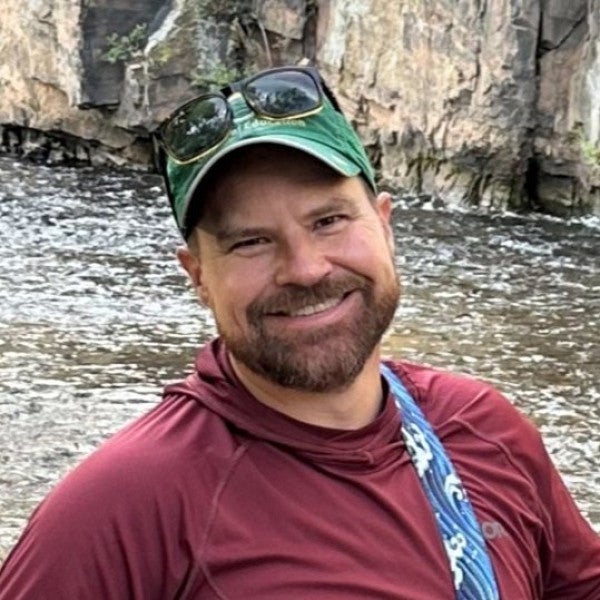
Kent McIntosh, professor and Philip H. Knight Chair, special education
14 years of service
HELPING KIDS HELP THEMSELVES: As co-director of the Center on Positive Behavioral Interventions and Supports or PBIS, McIntosh works with educators to make K-12 schools more safe, positive, predictable and equitable. The center provides resources and support to implement evidence-based interventions that are used across the U.S. and around the world. One example: teaching students to recognize when they’re becoming upset and — in the moment — take a deep breath, reframe their thoughts and visualize how they want the rest of the day to go. Said McIntosh: “It’s fantastic to be able to support an incredible, dedicated community of educators who are there to support kids and improve student outcomes.”
FLOURISHING THROUGH WELL-BEING and PURPOSE: “Our work is to help improve the well-being of educators so they can improve the well-being of students and their families. A good deal of that is listening and asking what they need and what flourishing would look like to them, what it means for them to contribute to a positive school community, instead of us making assumptions. The challenges in education are dramatic but we have this incredible opportunity to make a difference for millions of students. That gets me up out of bed in the morning — it’s an opportunity as well as a responsibility.”
ADVICE TO NEW EMPLOYEES: “Don’t be afraid to ask questions. Ask for clarity and check understanding of expectations, duties and roles. Take advantage of resources and step forward with challenges you’re running into — there are people here who want to help you be successful. Being open to it is really helpful.”
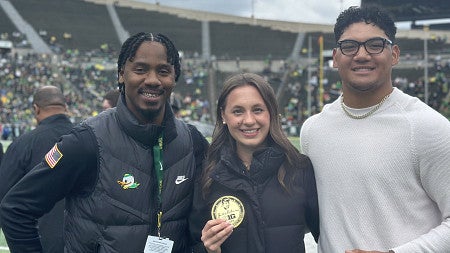
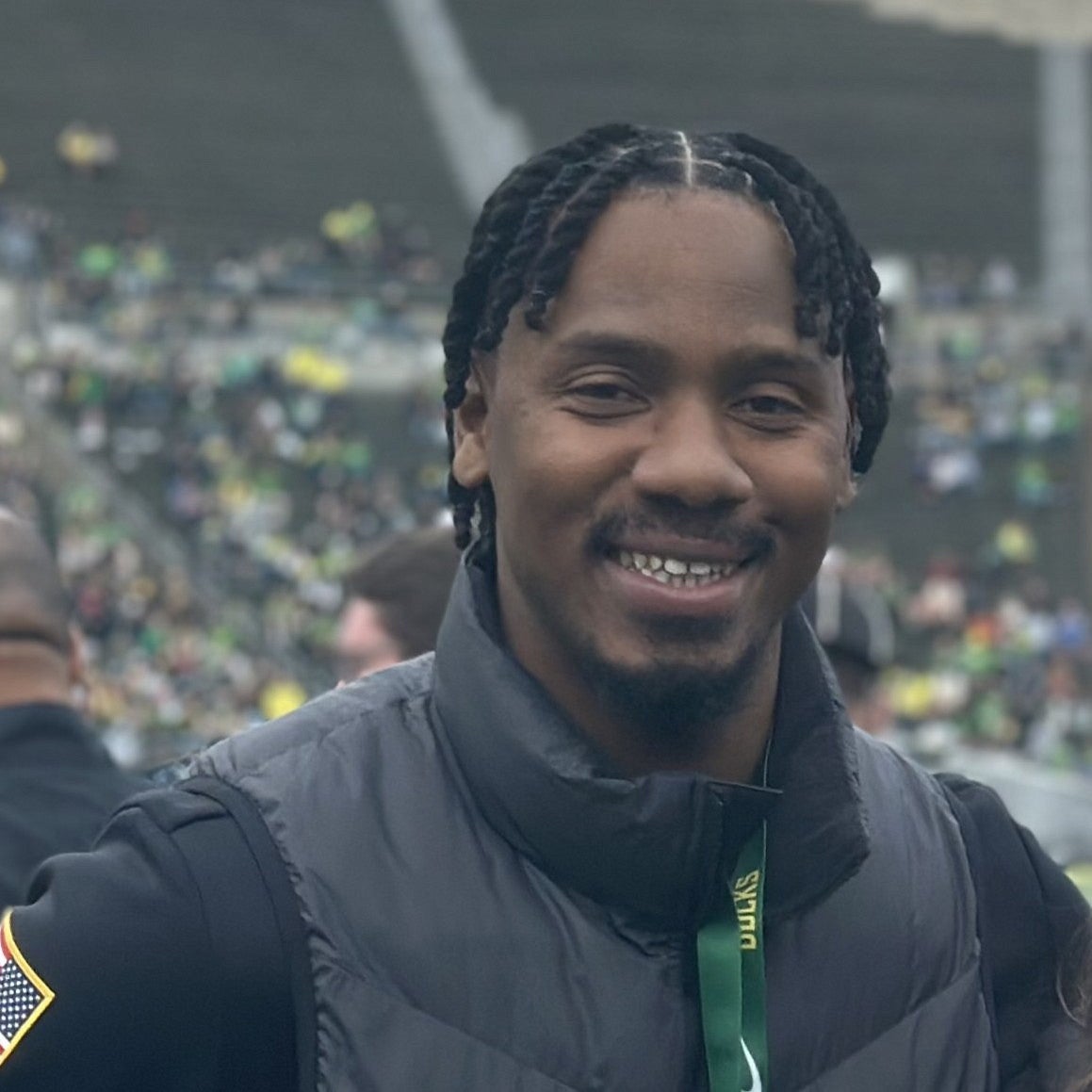
Da’Mon Merkerson, senior associate athletic director for culture and engagement
3 years of service
A “FRONT PORCH” TO SUCCESS: To support Black students, student-athletes and staff with non-European hairstyles, Merkerson teamed up with HAPI Hair Studio — Hair Artists in Pursuit of Inclusion — to provide a day of free hair care services and education at the Lyllye Reynolds-Parker Black Cultural Center during Black History Month in 2023. The event was so popular the Eugene salon went on to collaborate with the Duck Nest Wellness Center on additional free services.
Merkerson is also the liaison for the Black Student Athlete Summit, which the UO will host for the first time May 20-23. The event, which is open to all UO students and student-athletes, supports career development and will feature speakers from professional sports and media, representatives from the UO schools of law, education and business, Nike and others.
“It’s a beautiful opportunity to blend academic research, career development and athletics,” Merkerson said. “Athletics can be the front porch to universities and amplify those things. Early in my career, this summit opened my eyes to the work of culture and engagement that can exist within an athletic department.”
FLOURISHING THROUGH GROWTH, COMMUNITY AND PURPOSE: “The athletics department is very different from the College of Arts and Sciences or the School of Journalism and Communication, for example, but we have a shared purpose of serving students, helping them grow. That [academic] community helps me serve students. As someone who really believes in higher education, I work hard to find those intersections and connect people.”
ADVICE TO NEW EMPLOYEES: “Understand your job and how it relates to the broader university. The bigger picture is going to help you in your job and also help you understand what community might be there for you.”
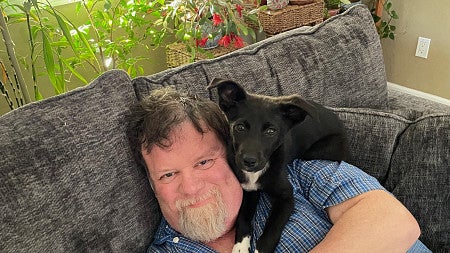
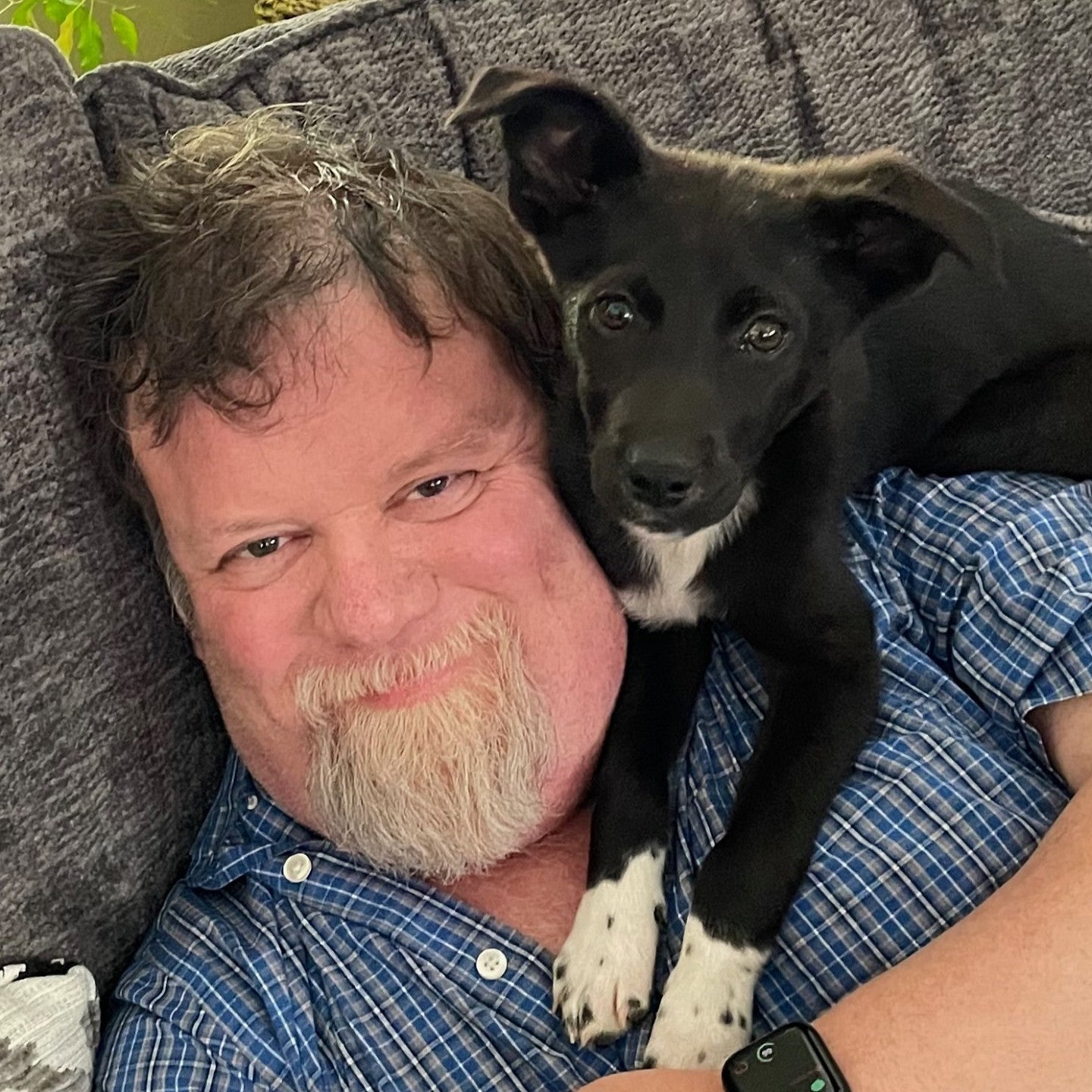
Gary Sullivan, senior director
16 years of service
MEET ME IN THE MIDDLE: While serving as IT director for the College of Design, Sullivan in 2014 led the redevelopment of underused classrooms into computer labs in Lawrence Hall, replacing lab space that had been reassigned and serving about 120 students a term. He helped create User Support Services in 2020, consolidating 15 distributed IT departments into the university-wide organization that now serves 85 percent of UO computer users.
Both projects required Sullivan to reach consensus among numerous stakeholders with their own priorities. “Building relationships is huge with me,” he said. “I’ve always made it a point to get to understand who I’m helping — it isn’t about me. When I can understand what they’re going through, I often can help them more effectively.”
FLOURISHING THROUGH COMMUNITY: “I like working with people. We all have the same mission — this is higher education, not a Fortune 500 company with stockholders where I worked previously. The mission is completely different; I have found that success comes more from being a good partner. If we work together and take our egos out of it, we can do great things. We should do everything we can to make getting support easy.”
ADVICE TO NEW EMPLOYEES: “Come in with an open mind, recognize your perspective and experiences may be different from someone else’s. I have had great success by getting to know how people do their jobs. Over time, once you build trust, then you can tweak processes to help both of you. But first, you have to put yourself in their shoes.”
February 2026 Edition
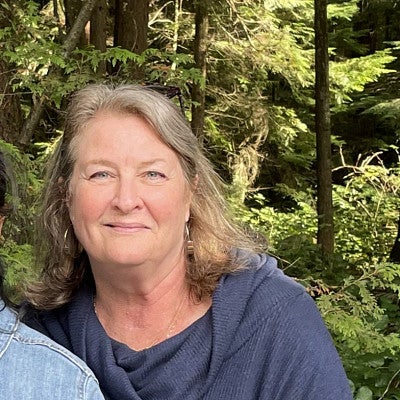
Becky Crabtree
Division of Global Engagement
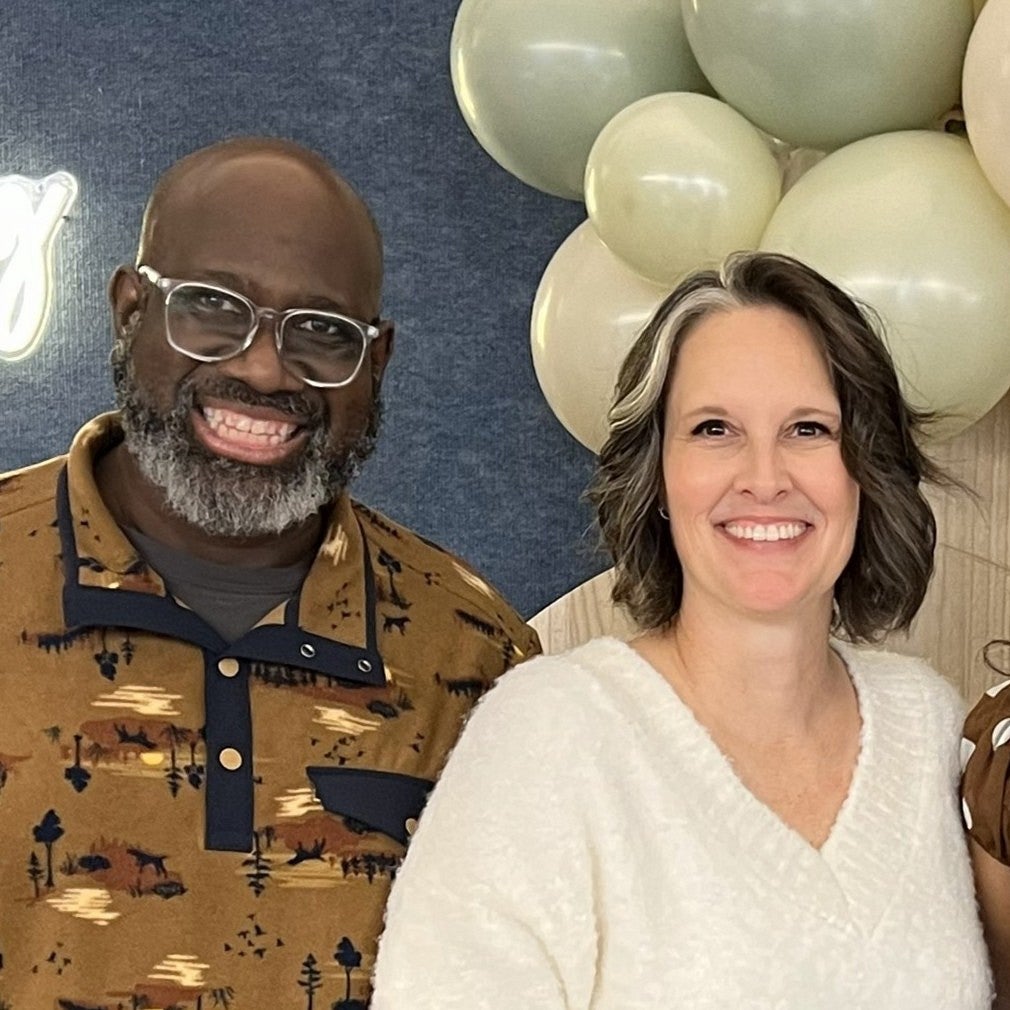
Shawna Gilbert
Office of Human Resources
Katie Harsh
Information Services
Celia Marie Nittmann
Office of Equal Opportunity and Access
Becky Crabtree, Director of International Student Services
20 years of service
A HOME AWAY FROM HOME: Crabtree and her team have built a support network that provides the UO’s 700-plus international students with solutions to whatever challenges face them — academic, financial, personal. Rather than simply referring students to university partners, her office provides case management, handling all problem-solving with the student. “‘A home away from home’ — that’s our mantra for students,” Crabtree said. “It’s a very holistic approach — it’s all the little things that, over time, communicate to students a profound sense of belonging and well-being. I’ve lived abroad, I’ve studied abroad. I know how hard it is to uproot yourself from your own culture and move to another country and live and work and study. I have the utmost respect for our international students. They have so much courage and passion and they bring so much talent and diversity and perspective to our university.”
FLOURISHING THROUGH PURPOSE: “I’ve been doing this for more than 40 years now, and there is an extremely deep sense of purpose. I don’t think in terms of my own success so much as, ‘How can I help others be successful?’ With the team, I’m always thinking about growth and helping them understand their place in the work that they do and how it meets the mission of our division and the university. With students, it’s giving them a sense of well-being and a sense of belonging in our community. I’m very much a perfectionist, but that’s balanced with service. I try to be really empathetic and compassionate for where others are.”
ADVICE TO NEW EMPLOYEES: “Focus on learning. Not just the job, but the culture of the office that you’re coming into. Observe and ask a lot of questions. Be curious about people. Build relationships with intention and a long-term perspective. Get to know what people do — what makes them tick? Be supportive of one another. And be proactive in communicating with your supervisor about what’s expected of you — ‘am I meeting your expectations? Am I on track?’”
Shawna Gilbert, Human Resources Training Coordinator
15 years of service
TRAINING STAFF, GAINING TRUST: Gilbert and her team have developed trainings that guide faculty and staff through the management of complex concerns such as the new student workers collective bargaining agreement, protected leaves and summer appointment requests. The work requires gathering information from subject matter experts and translating it into accessible resources for users. “I’m proud of the relationships I’ve built,” Gilbert said. “There’s a lot of trust involved. You’re working with a subject matter expert to get the information out of their head, and you’re getting feedback on the trainings from users, and sometimes it’s not great but having people feel safe enough to give those comments is huge for improving the trainings.”
FLOURISHING THROUGH RESILIENCE: “If you fail and something doesn’t work, it’s ‘Let’s try it again.’ We’re all human and we can do it better the next time — that’s my experience. The institution keeps moving forward and the people who work here have positive intent. People want to do good, want to do better, and just want to feel the support is there. And that’s what I’ve had.”
ADVICE TO NEW EMPLOYEES: “Ask questions. Be patient. And find some good friends. That gets you really far — somebody you really can confide in or who holds you accountable.”
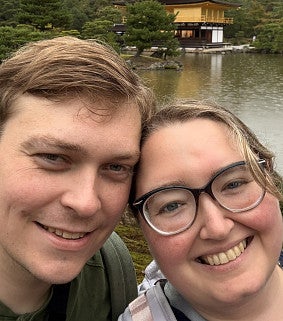
Katie Harsh, Manager, User Support Services
6 years of service
PAGING CAPTAIN AMERICA: When the UO in 2023 updated the identity management system, duckid.uoregon.edu, Harsh (BA, humanities, ’13) and her team handled customer response. That’s a huge group — essentially anyone with an active Duck ID — and at times throughout the year the team was inundated with what Harsh called “a tsunami” of questions and concerns. “It was one of those ‘Avengers Assemble’ moments,” Harsh said, laughing. “There was something about all of us coming together to take care of everyone — we had people who normally work remotely coming in to help us — and just saying, ‘Let’s make this a success’ for customers.”
FLOURISHING THROUGH COMMUNITY: “We’re trying to bring all of these different IT folks together. By being a central location, being a friendly face, being a positive force for change, I feel like I’ve been able to work with a lot of people to get a lot of good stuff done and help everybody help each other.”
ADVICE TO NEW EMPLOYEES: “Talk to people. Get to know them. We are such a diverse group, and I have learned so many new things from so many different people. They have truly enhanced my whole life. Being an island is really difficult. That community aspect is invaluable.”
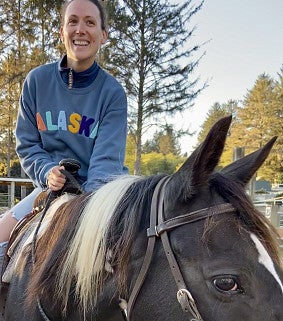
Celia Marie Nittmann, Accommodations Coordinator
6 years of service
WORKING TOGETHER IN THE WORKPLACE: Nittmann has streamlined the process by which employee requests for disability accommodations are submitted and resolved, and her honest, impartial mediation of cases has built trust with both applicants and departments responding to requests. As a result, requests have tripled in four years, to 300-plus annually — a sign, Nittmann said, that employees are advocating for their disability-related needs and departments are responding to the necessary collaboration in creating accessible, productive workplaces.
Disabilities include mental health conditions, neurodiversity, amputations, auditory limitations, surgeries, fibromyalgia, cancer treatments and more. Outcomes of the interactive process range from accommodations and equally effective alternatives to reassignments and, on rare occasions, separation from employment.
“One in four individuals will experience a disability in their life, so that’s a good portion of our UO community,” Nittmann said. “I am humbled by people’s experiences and committed to ensuring that the individual is supported as much as they can be supported, within reason. It’s important work, and also very vulnerable work.”
FLOURISHING THROUGH RESILIENCE AND COMMUNITY: “People experience barriers related to disability, as well as unexpected life events that result in disability, on a daily basis,” Nittmann said. “It creates, in me, a lot of humility and empathy. I talk to hundreds and hundreds of people in a month — I touch every area of our community — and I have such love for this community. The barriers that people experience drive my ability to keep pushing in this job.”
ADVICE TO NEW EMPLOYEES: “Find work-life balance where you can. Use your vacation time and make time for family and friends. Ensure that your mental health is taken care of and find activities outside of work, whether that’s socializing or being in nature. Take care of the personal side of your life so that you can show up for the work that you do. Additionally, utilize UO resources that can support you in this balance, such as the accommodation process, the Ombuds program and the Employee Assistance Program. It is always okay to ask for help.”