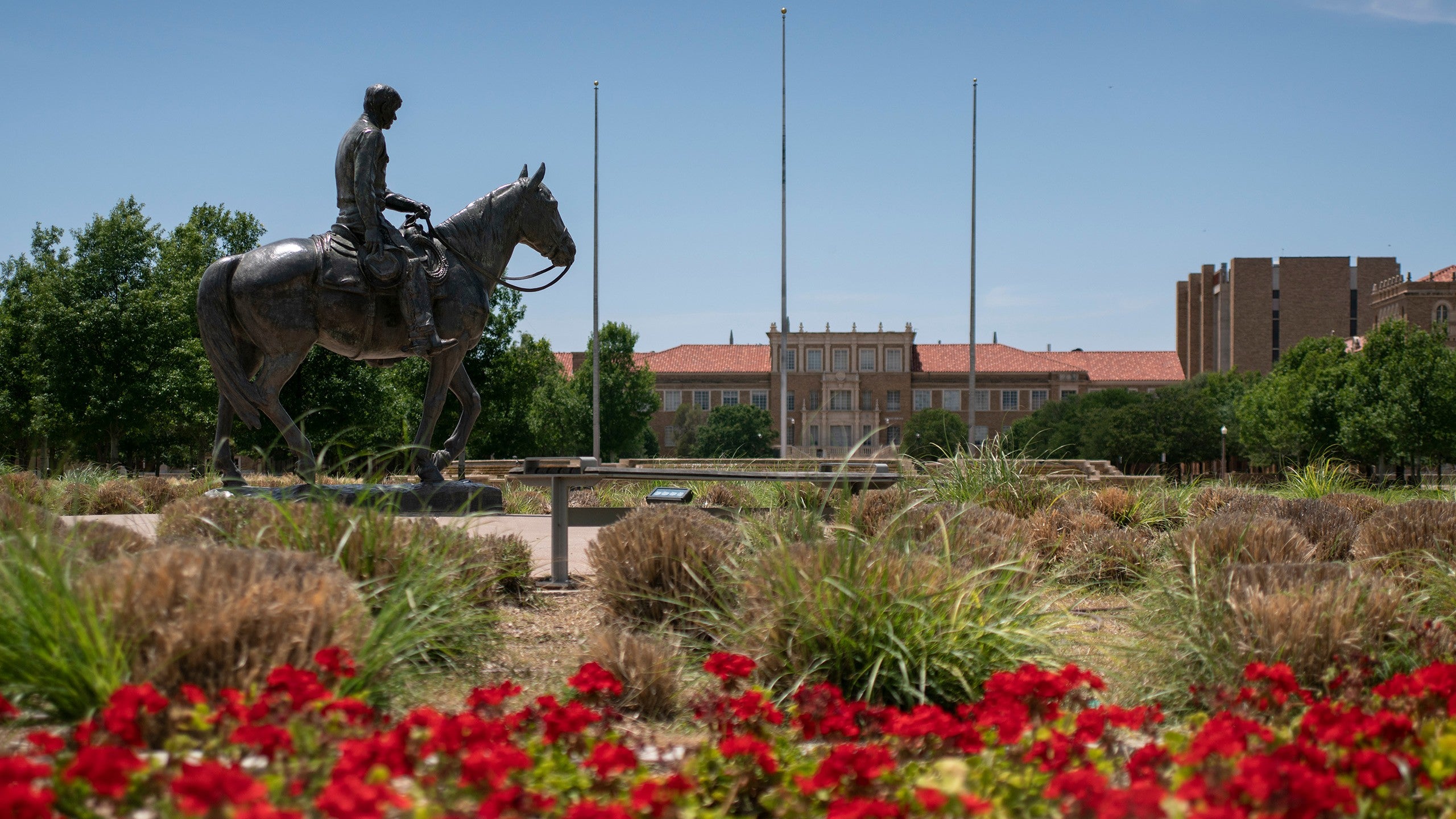

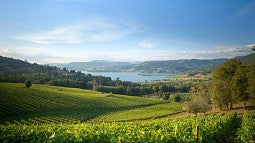
If I am honest, I could not have told you a thing about Eugene, Oregon, or the University of Oregon before landing here in the fall of 2008. However, this West Texas girl quickly became enamored with all that makes the Willamette Valley a beauty to behold. It is a stark comparison to the High Plains of Lubbock, Texas, where I grew up and graduated from Texas Tech University.
I vividly remember biking in my early days along the Willamette River, stopping to stare at the winding bike path through the tree cover, listening to the sound of the rolling water. I stood in awe and distinctly recall realizing I was not in West Texas anymore. The beauty that abounds here is breathtaking and very different from the dry, vast flatlands of West Texas.
As the Ducks face off against the Red Raiders in pursuit of college football’s national championship, let me give you an insider’s guide to help you get to know our formidable opponent.
Who are these Red Raiders and where do they come from?
They do their thing on the High Plains.

Lubbock is flat. I mean really, really flat. It’s known for its vast grasslands, long sightlines and big skies. You can literally see a storm brewing in the next county. The sunsets are spectacular, and so are the dust storms.
You can experience iconic rolling tumbleweeds, especially on particularly windy days. I say “particularly” because almost every day is windy compared to the Willamette Valley. In the spring, winds in Lubbock can gust 30-60 miles per hour, which makes for an interesting walk across the Texas Tech campus. It isn’t unusual to see droves of students tilted and leaning into the wind, fighting for each step only to stumble in unison when the wind changes unexpectedly.
Trees are rare in Lubbock and mostly planted by people. If you can imagine, tree cover is only about 1 percent, compared to 22 percent in Eugene. I still stand in awe at the size and number of trees when I walk across the UO campus and adventure across the state. It’s a view Red Raiders do not see every day.
Lubbock gets about 20 inches of rain annually, compared to Eugene’s 40 inches. Lubbock’s rain comes mostly in spring and summer through impressive thunderstorms. In both places, people talk a lot about rain. Oregonians wonder when will it stop, and Texans wonder when they’ll see it again.
They call The Hub City home.
Lubbock is the educational, medical and cultural hub of West Texas, so it’s nicknamed The Hub City. It is a spoke-connecting center for everyday life across the plains as folks come to town for services, shopping and entertainment.
Lubbock is known for its strong agricultural economy. Lubbock sits at the heart of one of the largest cotton-producing regions in the world. Cotton is to West Texas what grass seed is to Lane County.
Our populations are comparable at about 263,000 for Lubbock and about 237,000 for Eugene and Springfield combined. But while Eugene and Springfield measure about 60 square miles, Lubbock is a whopping 135 square miles. Yes, the saying is generally true — everything is bigger in Texas (not to be confused with better).
Like Eugene, Lubbock is home to an R1 research university that is one of the largest employers for each area. It also has a distinct college vibe, especially noticeable with students moving in each fall and leaving each spring.
They are known for their Double T.

Let’s talk typography. Red Raiders feel as strongly about the letter T as Ducks feel about the O. Texas Tech’s iconic red double T logo will abound at the Orange Bowl alongside the yellow O we know O so well.

Each university has multiple locations with one large, flagship campus located in a mid-size city. Texas Tech shapes Lubbock’s economy, arts, healthcare and identity much the way UO shapes Eugene, but at a slightly larger scale.
The UO Eugene campus has about 295 acres, while TTU’s Lubbock campus has 1,839 acres. It takes a little longer to get to a class or a meeting at TTU. I remember a new professor saying on the first day of class that he wouldn’t tolerate late arrivals. By the second week of class, he completely changed his position after discovering you simply cannot make it across the Lubbock campus with only 10 minutes between classes.
When it comes to enrollment, the theme continues — everything is bigger in Texas. TTU’s total enrollment this fall surpassed UO’s by about 10,000. There are 34,184 enrolled undergraduate Red Raiders compared to our 20,711 Ducks.
TTU academics and research are anchored by agricultural sciences and engineering, two programs we don’t have. Both schools have their largest enrollments in arts and sciences, business administration, and media and communications and each university has a law school. Texas Tech University and the University of Oregon both demonstrate strong career readiness outcomes, aligning closely with their regional economies. Off the football field, TTU and UO are both winning in their own way.
Who will I be rooting for?
Come New Year’s Day, I will find myself conflicted — am I a Duck or a Red Raider? The truth is, I am both — a mix of where I am and where I came from. After all, Raider power helps this Duck go.
The way I see it, I win either way. I’ll cheer and celebrate regardless of the game day outcome. However, I will leave my fellow Ducks with this: I may be very fond of red and black, but green is my favorite color. Let’s play ball, y’all!
—Sandee Bybee, University Communications