


Preparing for Wildfires, Earthquakes, and Climate Change
From the nation's first subduction zone earthquake center to advanced wildfire detection, we are preparing communities for natural hazards and a changing climate.
At the University of Oregon, we are developing new and scalable approaches to address environmental hazards. As climate change is increasing natural disasters and threatening species, agriculture, and human health, we are dedicated to reducing the impact on communities and ecosystems. Our multidisciplinary approach includes work in environmental science, engineering, business, education, and law.
The UO is a partner in the world’s largest public-facing system of wildfire cameras available to firefighters and communities throughout the Northwest, and is home to CRESCENT, the nation’s first NSF-funded subduction zone earthquake hazards center. Our unique approach and infrastructure allow UO to develop comprehensive solutions to the climate challenges facing the Pacific Northwest and larger world.
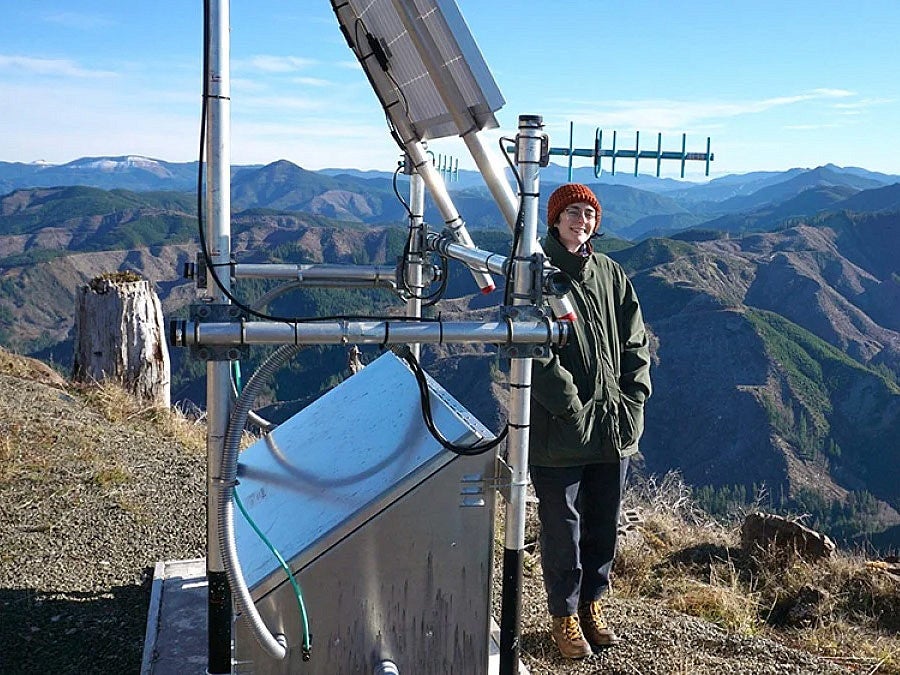
Fighting Fire With Data
Our advanced monitoring systems are revolutionizing how we detect and respond to wildfires across the West.
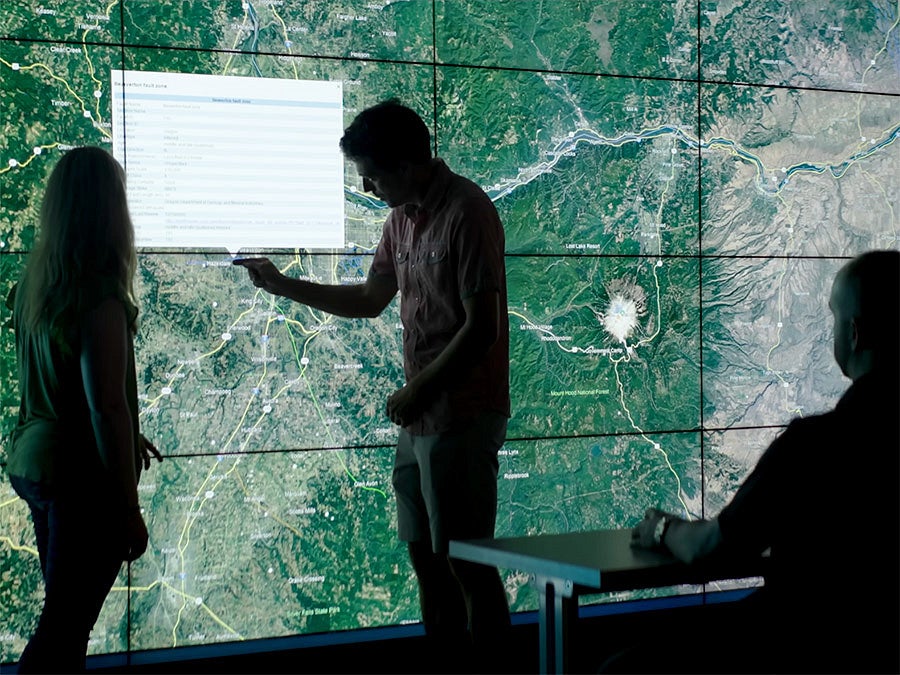
Preparing for the Big One
Seismic resilience is more than just stronger buildings; it's about early warning systems and community preparedness.
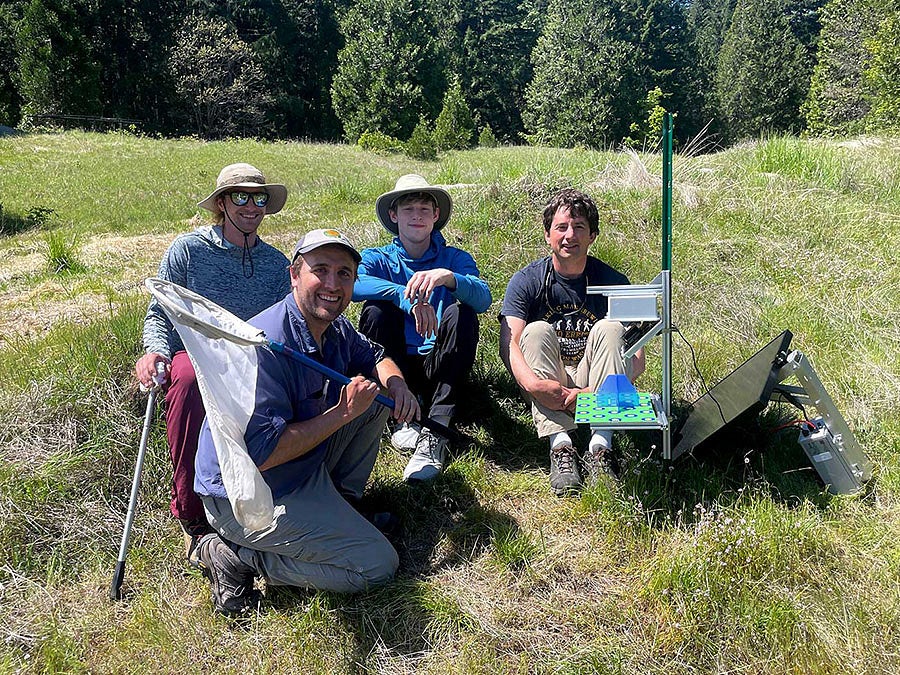
Saving the Bees
Through modern technology and planting pollinator-friendly habits, we are reviving the declining bee population in the Pacific Northwest.
The Human Side of Resilience
Our environmental science programs prepare students for sustainability careers that tackle urban, societal, and legal challenges.
Need an expert opinion?
Connect with our world-class researchers and faculty specializing in environmental resilience, climate adaptation, and sustainable systems.