Wildfire Research and Solutions from the University of Oregon
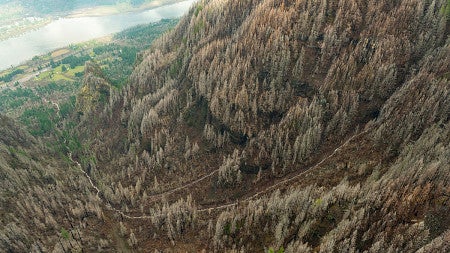
In recent years, wildfires have increasingly affected Oregon and much of western North America. Due to many factors including climate change and land management practices, wildfires are intensifying and becoming more common both within and beyond our region.
Meeting the challenge requires multidisciplinary approaches and collaborative engagements of community, agency, and scholarly resources. At the University of Oregon, researchers across disciplines are turning wildfire science into practical tools, strategies, and partnerships that help communities prepare, respond and adapt.
Explore how UO researchers are studying wildfire from many angles to help communities and ecosystem stewards rebuild after fires, learn from past fires, prepare for future fires, and adopt new perspectives to better understand wildfire.
Resources on This Page
- What Science Says About Wildfire: Studies clarify the risks and impacts of wildfires on the soil, water, landscapes, and air we rely on.
- Fire Detection & Early Warning: The UO deploys and operates a wildfire camera network that helps fire managers spot fires.
- Fire History Informs Forest Management: Insights into forest composition, fire history, and burn patterns help guide land management practices for more resilient landscapes.
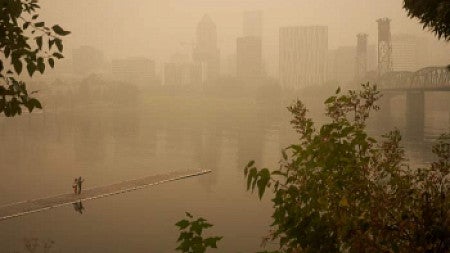
- Community Resilience & Smoke Preparedness: Research on smoke adaptation strategies informs community safety guidance and policy.
- Connect with UO Wildfire Experts: University of Oregon researchers can provide expertise for stories on wildfires and smoke.
What Research Has Clarified
Wildfire Detection Technology: 70+ Camera Network Across the Northwest
The Oregon Hazards Lab (OHAZ) — a research lab within the UO’s Department of Earth Sciences — uses science and technology, plus community engagement strategies to understand, detect, and mitigate a variety of natural hazards throughout the Pacific Northwest.
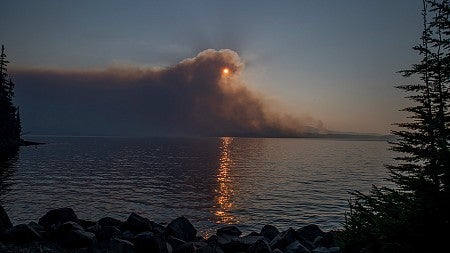
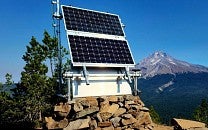
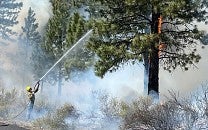
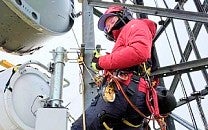
In collaboration with partner institutions, the Oregon Hazards Lab deploys and operates ALERTWest, the largest wildfire camera network in the world. Installed atop mountains and high-rise buildings throughout the state, 70+ cameras spot and track wildfires.
In partnership with the Department of Homeland Security, an OHAZ pilot program also installed 30 smoke sensors throughout the Willamette Valley to monitor changes in air quality and particulate matter, enhancing the scope of the fire management platform.
OHAZ equips fire managers with state-of-the-art resources to help:
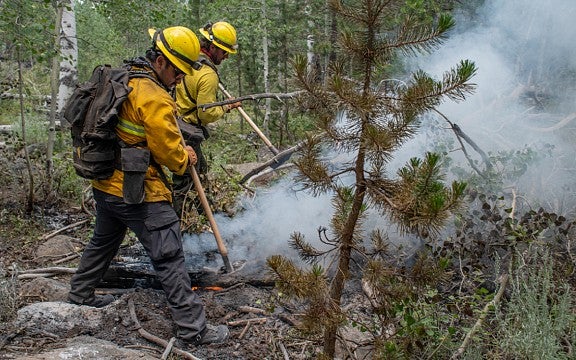
- Discover, locate, and confirm when wildfires start
- Quickly scale fire-fighting resources up or down
- Monitor fire behavior until containment is achieved
- Improve evacuations through enhanced situational awareness
Forest Scars Rewrite Oregon’s Fire History
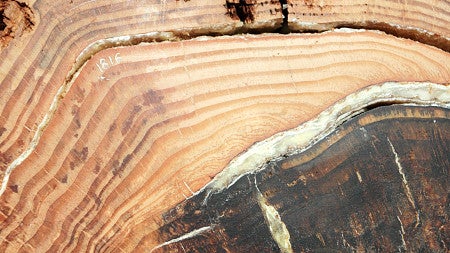
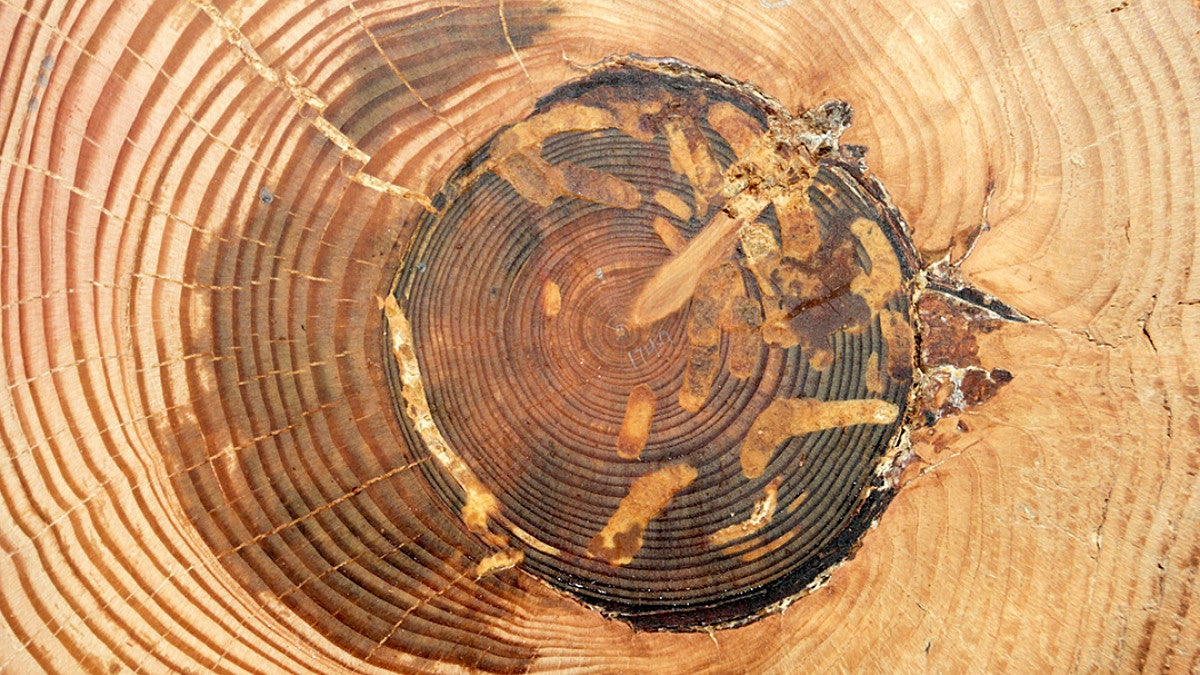
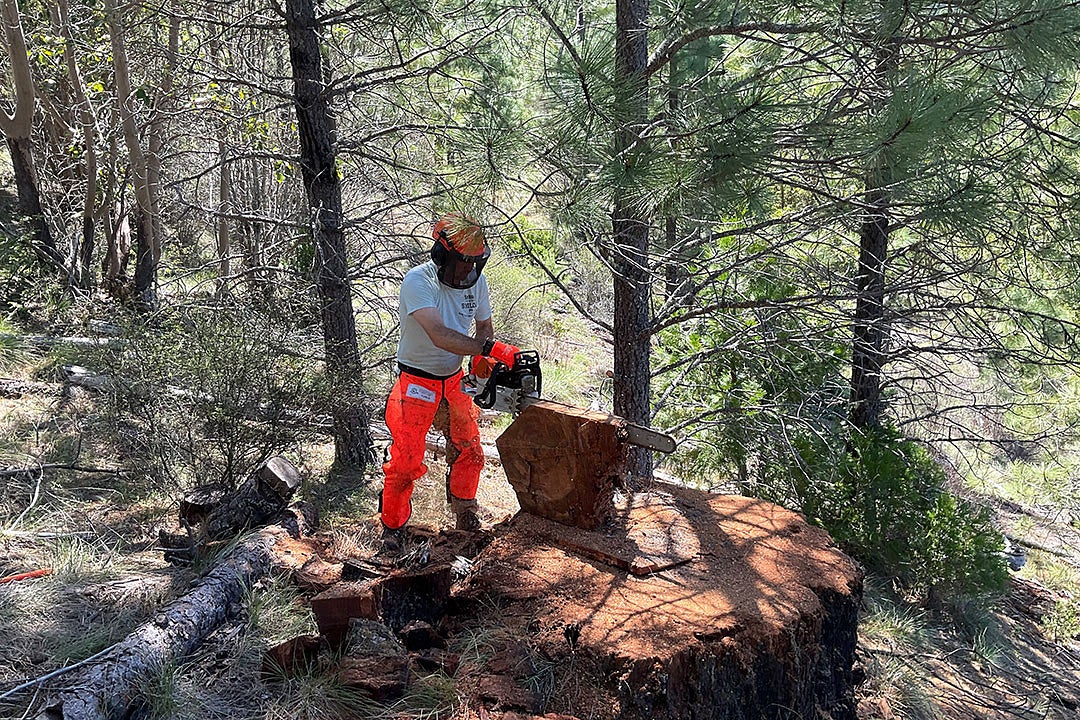
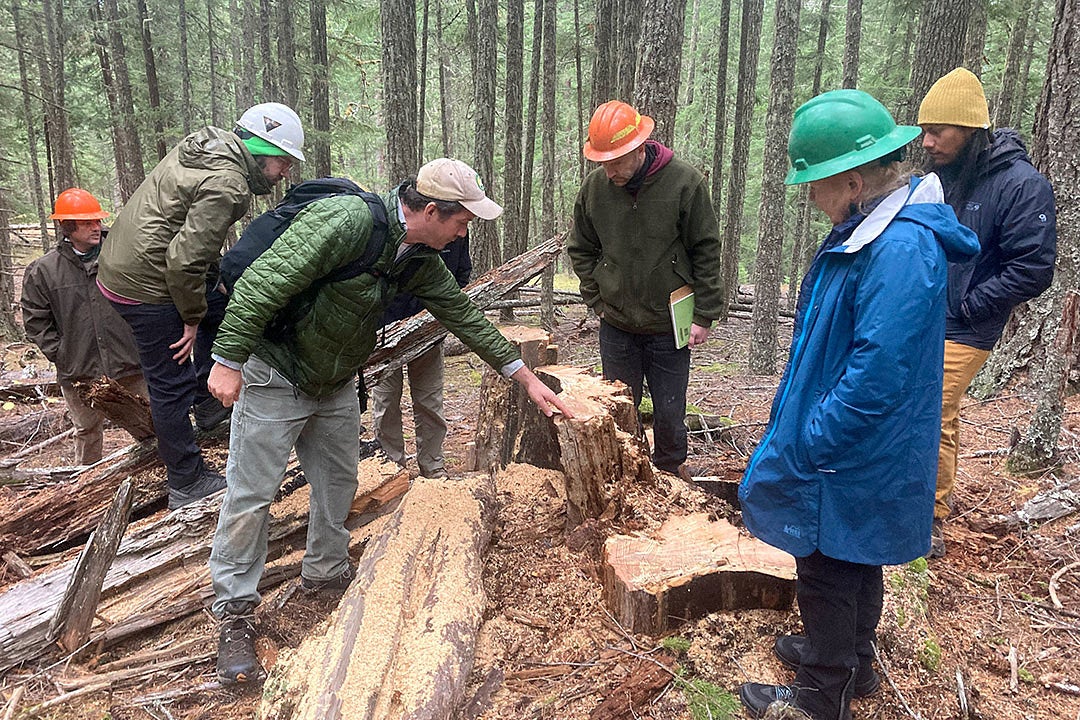
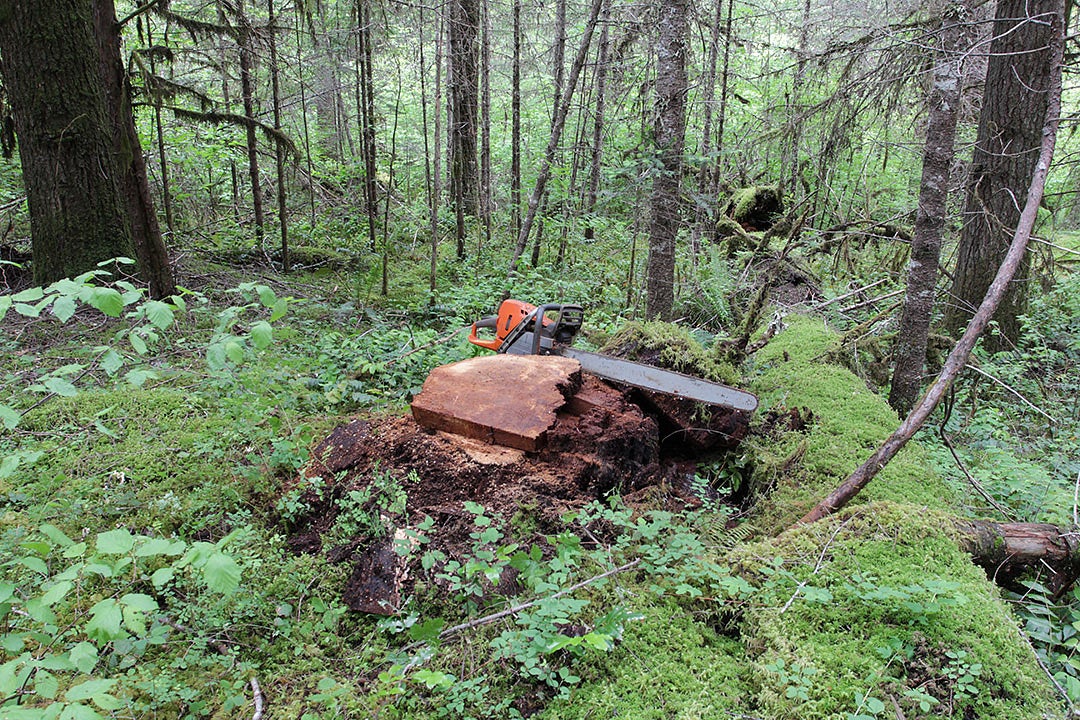
By analyzing fire scars preserved within the rings of old-growth tree stumps, UO ecologist James Johnston uncovered that Douglas fir forests in Oregon’s Western Cascades historically burned more often than believed. His research findings may guide more resilient forest management.
Preparing Communities for Wildfire Smoke by Connecting Science, Policy, and Practice
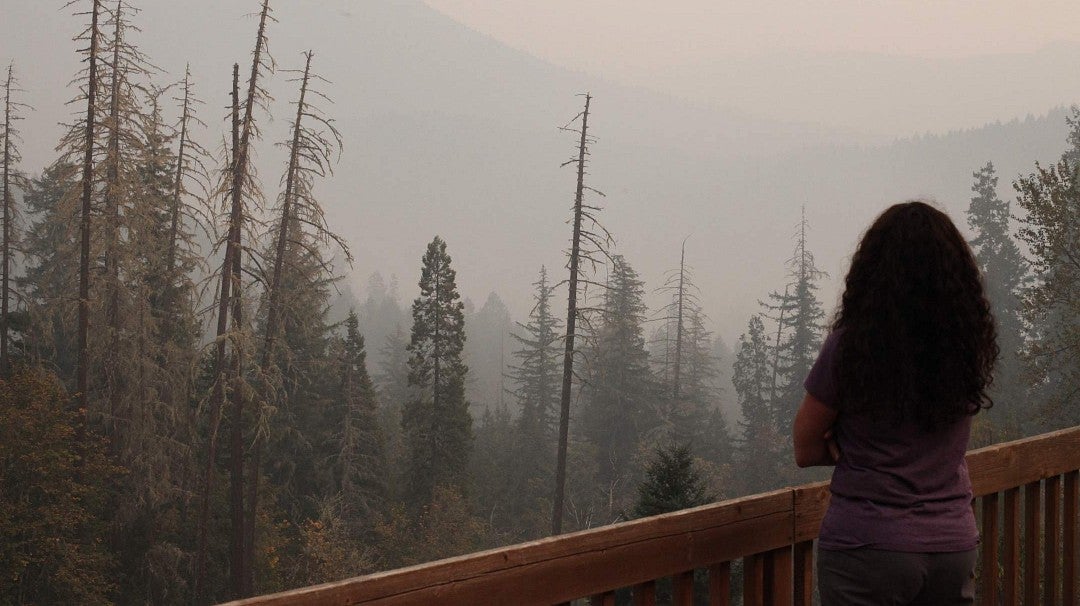
The Center for Wildfire Smoke Research and Practice is an applied research consortium of the Institute for Resilient Organizations, Communities, and Environments, helping communities, policymakers, agencies, and local governments across Oregon better prepare for smoke events.
With funding secured by U.S. Senators Jeff Merkley and Ron Wyden through the Environmental Protection Agency, the center shares information, strategies, and effective monitoring of wildfire smoke with vulnerable populations, offering evidence-based approaches that can be applied across the Western U.S.
Research the center is focusing on:
- Helping communities and households adapt to living with smoke
- Improving public messaging around smoke
- Evaluating the effectiveness of past preparation and response during smoke events